Programs that promise to reveal whether a piece of work was written by artificial intelligence get it wrong, including for students who have not used it, and even their own makers advise against punishing anyone on their say-so. This report explains what the studies, the European Regulation, data protection authorities and education guidelines say, and sets out a no-cost plan for assessing fairly in any subject: state which uses are allowed, ask for evidence of the process and listen to students.
Felip Sarroca i Gil says his computer cannot open Blender, but Codex can operate it, and it has generated 3D models for his website for fourth-year ESO students.
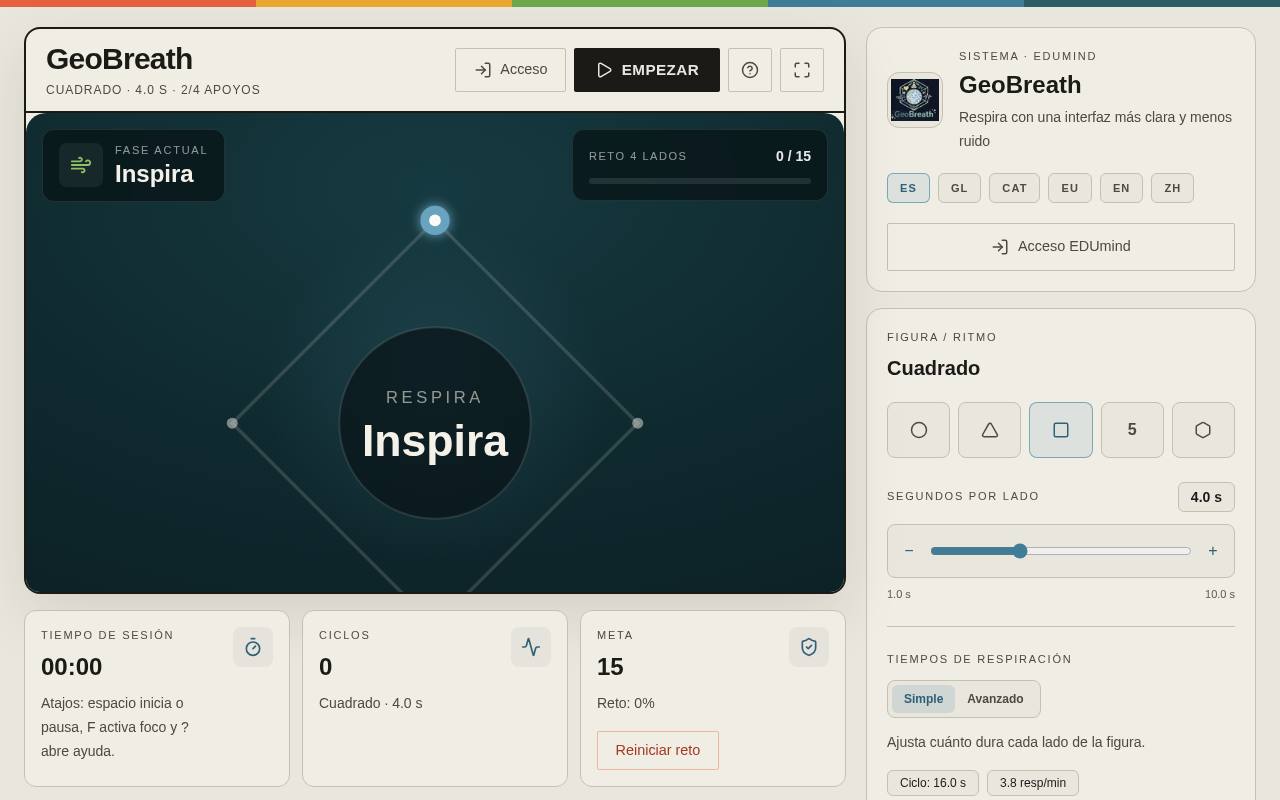
Luis Vilela Acuña's app uses an animated shape to show when to breathe in, hold and breathe out. It opens in the browser, with nothing to install, and is available in six languages.
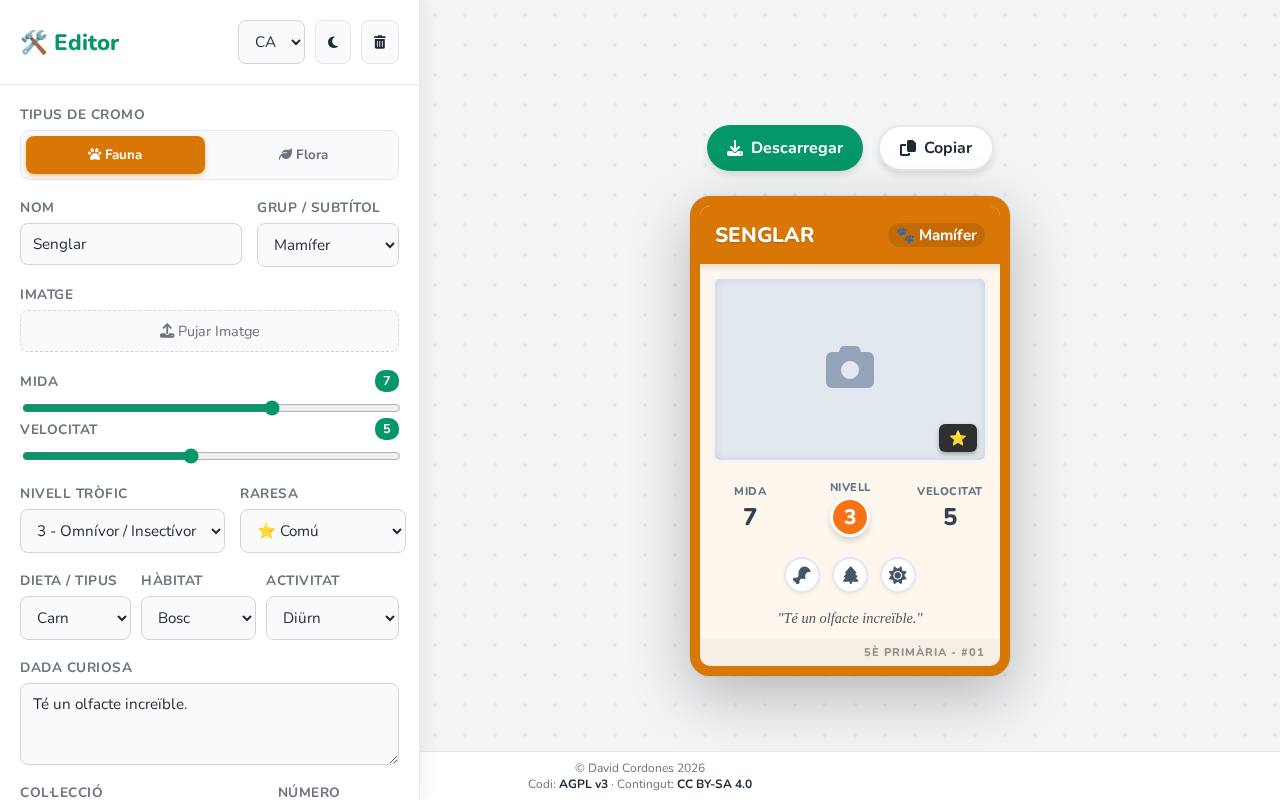
The Eco-Duel Card Generator, created by David Cordones, offers a form for composing cards with data on animals and plants, with one collection per school year, from the first year of primary to the second year of Bachillerato.
The week in video: a short film shot in virtual reality, Anthropic's new models, Microsoft Classroom, Primer and a 3D model made with Codex, plus the feature on why AI detectors do not work as proof.
The week. The highlights of Educational AI Daily. 9 – 15 Nov 2026.
Monday 9. AI film. A short film is shot inside virtual reality. Sets built in Blender, a Quest 3 headset; final images made with AI
Tuesday 10. Claude 5.2. Anthropic launches Fable 5.2 and Mythos 5.2. Mythos 5.2 only for verified organisations; figures are the firm's own
Wednesday 11. EduPrompts. EduGems is renamed EduPrompts. Google is replacing Gems with Skills; the site offers 174 prompts
Thursday 12. Science in SVG. Three models draw an animal cell in SVG. None made content errors, according to the person who ran the test
Friday 13. Microsoft Classroom. Microsoft unveils Classroom for schoolwork. Brings tasks, grades and AI together; due in 2027 at no extra cost on some plans
Saturday 14. Primer. Wharton releases Primer: simulations from a chat. Open source and experimental: not yet evaluated in classrooms
Sunday 15. Blender with Codex. Codex models a steam engine in Blender. A 3D viewer you turn with the mouse, for 4th-year ESO
Sunday 15. AI detectors. AI detectors do not work as proof. Assess the process: declared uses, drafts and a short oral explanation
Every story, in full and with its sources. diarioiaeducativa.github.io. Every morning at 7:00 (Spain).
Eduvers, the simulation platform that the paper presented on 12 November, has a 3D simulation for preparing a NaOH solution and measuring the acidity of vinegar, according to its description. SourceConversation
In November 2025, anyone using Gemini with an educational account could not tell which features they would find from one day to the next. A year later, Google has opened up features that were then denied to them, but for students’ accounts each school will decide.