Skills and free plans
Skills are now in free Claude, in Gemini and in ChatGPT Enterprise and Edu
A question in the ChatGPT-IA-edu group about whether skills work in every assistant leads to a check of what each one offers without paying.
Artificial intelligence, as told by three teaching communities
The Sunday feature 29 November
Data protection in the classroom
INTEF, Spain’s national institute for educational technology and teacher training, classifies 1,144 digital tools with a traffic-light system according to how they handle personal data, and a website created by a teacher lets you look them up in seconds. This report explains what each colour means, who is responsible for the decision according to INTEF, the data protection agency (AEPD) and the regional education ministries, and what questions to ask about an app that is not on the list, as many AI ones are not.
Read the feature · 8 minute read
Skills and free plans
A question in the ChatGPT-IA-edu group about whether skills work in every assistant leads to a check of what each one offers without paying.
Community app
A vocational training teacher shares an app for studying joint types and welding positions, designed to be projected on the interactive whiteboard.
New in the repository
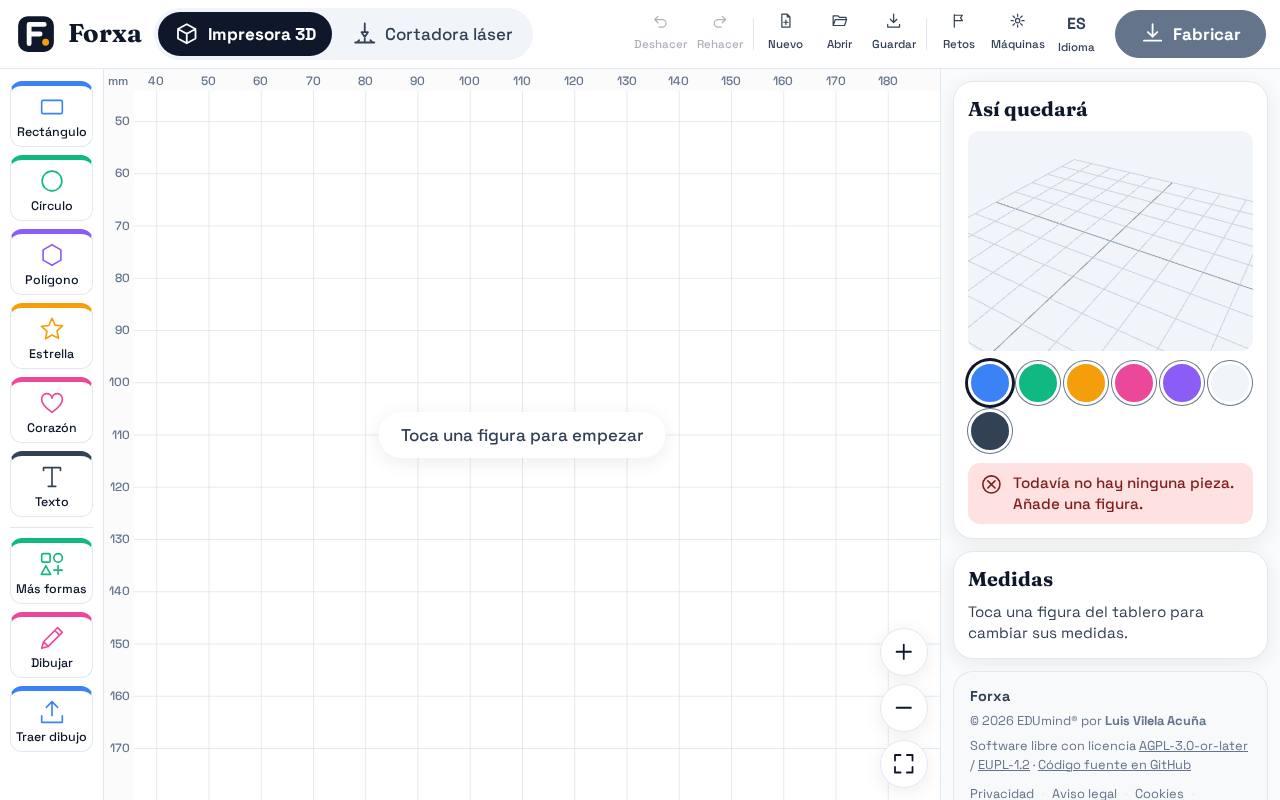
Luis Vilela Acuña has created a web app for classroom design from the third year of primary school (ages 8 to 9), exporting the result as STL or SVG; according to its author, it works without accounts or a server.
From the EduMedia archive
This website brings image and video generators and several editing tools together in one place. It is worth reading its terms of use first.
Based on Skills are now in free Claude, in Gemini and in ChatGPT Enterprise and Edu.
The week on video 69 s
The week's issues, from the debate on who signs a story made with AI to skills in AI assistants. At the end, the feature on pupils' data.
A year ago Sunday, 30 November 2025
Mathematics with AI
In November 2025, people celebrated an AI system having single-handedly proved a mathematical problem that had been open for some 30 years. It turned out to be partial progress; in 2026, AI is producing results that mathematicians accept as sound.